


How do I maintain my sofa?

Are the creases in your sofa slowly becoming visible? Or are you bothered by sagging cushions? How can you prevent annoying stains? And should you vacuum your sofa? In this blog post, you'll read all the dos and don'ts for maintaining your sofa and what to consider before buying one. Because every fabric sofa needs some maintenance. With these 7 tips, you'll enjoy your new sofa for even longer.
1. Prevent & treat stains
It happens to everyone: spilling food and drinks on the sofa. Sofas with light or solid-color upholstery are particularly vulnerable to stains. That's why it's important to impregnate your modular sofa with Protexx spray when you purchase it. You can easily order this with your sofa and apply it yourself upon delivery. Impregnation protects the sofa from external influences. The stain repellent provides a protective layer on the upholstery, making it harder for dirt and moisture to penetrate. This makes stains easier to clean.
The Protexx fiber spray protects fabrics against most oil, grease, and water-based stains. The spray combats stains caused by drinks, food, and all human and mammal waste and excretions. So you no longer have to worry about drink stains, such as coffee, tea, hot chocolate, beer, red wine, or fruit juice. Food stains—think pasta sauce and chocolate spread—can also be prevented by using the Protexx fiber spray. Blood, perspiration, or pet feces also won't leave permanent damage thanks to the spray. Note: the Protexx service does NOT apply to stains caused by ink/marker, jeans and makeup, grease, and oil. Unfortunately, these stains cannot be prevented or removed and are not covered by the service.
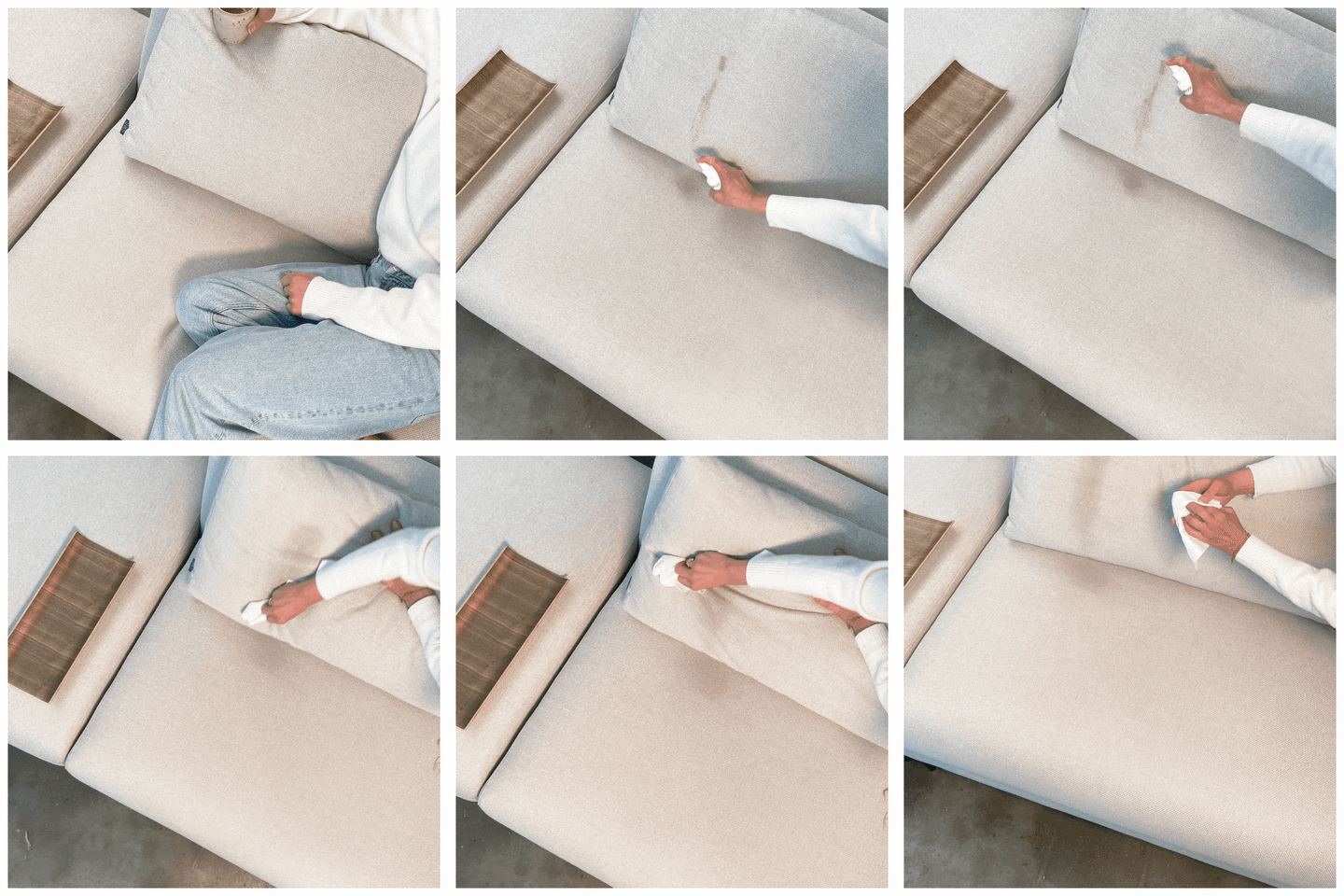 Did you accidentally get a stain on your sofa? Then treat it carefully. First, it's important to blot, not rub, while cleaning. Use a dry, clean cloth. The maintenance kit includes a multi-purpose cleaner that you can use for stubborn stains. Apply this product to the stain and gently blot to remove it. Most stains covered by the service can be removed this way. If the stain persists, call Protexx within three business days at the phone number provided in the kit.
2. Can my sofa discolour?
The color of fabric will be affected by sunlight, especially if your sofa is in direct sunlight. Bright and dark colors and natural materials are most affected. For example, look at your black T-shirt that's been washed many times. It will fade faster than your beige sweater. Therefore, never place the sofa too close to a heat source or in direct sunlight. Want to know how resistant the fabric is to fading from sunlight? Then check the fabric's lightfastness. The degree of discoloration is expressed on a blue scale of 1 to 8, with 1 indicating the lowest lightfastness and 8 the highest. A 4x6 sofa only works with a lightfastness of at least 4. When ordering color samples, you'll find the lightfastness score for each color sample under "product information."
3. Your new sofa has arrived! You can start sitting in it.
Tempting, isn't it? It's tempting to immediately plop down in your favorite spot when your new sofa is taking pride of place in your living room. However, we recommend regularly changing your seating position for the first three months to prevent sinking. Trying different seating positions will distribute weight and pressure more evenly, ensuring even movement. Also, don't forget to regularly fluff cushions and seats to minimize wear and tear, which we'll discuss in more detail later in this blog post. It sounds simple, but this phase of properly adjusting your sofa will significantly extend its lifespan. We all love years of comfort, don't we?
4. Tips for wrinkle formation
Creasing refers to the formation of folds or wrinkles in the fabric upholstery. As soon as you start using the sofa, the foam will shrink slightly and the fabric will become looser. This causes wrinkles, which is completely normal and unavoidable during active sofa use. Foam shrinks to your body by about 10-15% in the first three months. Think of it like your new shoes or jeans after wearing them; they also conform to your body. The same applies to the fabric of the sofa. Of course, we upholster sofas as tightly as possible. However, the fabric of a sofa with too-tight upholstery will tear at the seams. Therefore, some slack is always needed in the fabric surrounding the sofa and cushions. Therefore, wrinkling has nothing to do with the quality of a sofa.
Now you might be wondering why you didn't have any problems with wrinkles on your old sofa. Over the years, sofas have become larger and often feature a chaise longue. Chaise longues have also become wider, as have seat cushions. This means the fabric has to cover a longer distance, requiring more slack in the same cover. This makes wrinkles more likely to form. And with today's modern, sleek look, wrinkles can also be more noticeable.
You can often easily smooth out wrinkles by hand. The video below shows you how. If that doesn't work and you can actually fold the fabric in half, you can of course contact us, and we'll see if we can fix the problem. However, wrinkles will always return because the foam will shrink. In other words: wrinkles are simply a natural part of life; your sofa remains a functional item and is subject to the effects of materials.
5. Care of loose cushions
The loose (back) cushions on your sofa are filled with synthetic flocking. This means that with active use, the cushions require weekly care. For a sofa with loose cushions, it's crucial to massage the cushions from the inside out: unzip the cushions, place both hands inside, and gently separate the synthetic flocking with clenched fists.
The cushions will take on the shape of your body, and you'll only enjoy them longer if you loosen them from the inside. Another tip is to swap cushions around every so often. It also helps to rotate the back cushions occasionally and distribute them evenly when sitting on the sofa.
6. How to prevent pills and lint on the sofa
Pilling is also called fluff formation. This often occurs due to rotating movements on upholstered furniture, causing loose fibers to clump together. Natural fabrics like wool and cotton pill the most because the fibers are composed of loose scales. Synthetic fabrics are made of long filaments, which significantly reduces pilling. It's a normal phenomenon that's easy to prevent and treat. For an upholstered sofa, it's important to vacuum regularly. This removes excess fibers early on, preventing them from forming balls. However, use a soft nozzle to protect the upholstery. If the sofa is already pilling, it's easy to remove with a lint roller or lint remover. These two methods make pilling easy to remove.
7. Vacuuming the fabric sofa
Do you recognize that layer of dust that (unfortunately) reappears on your bookshelves every week? Unfortunately, the same dust particles also end up on your sofa. Yet, many people forget about the sofa during their weekly vacuuming. We'd like to share these tips for vacuuming your sofa:
- How often you vacuum your sofa depends on several factors. Generally, we recommend vacuuming your sofa once a month. If your sofa is used daily, there are children, pets, or if you have significant allergies, you can safely vacuum it more often.
- Use the correct attachment: the upholstery brush attachment on your vacuum cleaner. This attachment is specially designed with soft bristles to keep your sofa's fabric intact and thoroughly remove dirt and dust without causing damage.
- How do you vacuum a sofa? Work in narrow sections, moving slowly from top to bottom to thoroughly cover every area. Use the crevice tool on your vacuum cleaner to thoroughly clean the cracks and crevices of the sofa. These are often places where dust and crumbs collect. Don't forget your cushions during this process.
There are many benefits to vacuuming your sofa. It contributes to a cleaner, fresher look and prevents dirt from settling, keeping the fabric looking beautiful longer. Another great thing: you reduce the risk of mold and bacteria. We all love a fresh sofa, right?
Do you have any other questions or need more tips? Feel free to contact us . We're happy to help!

Are the creases in your sofa slowly becoming visible? Or are you bothered by sagging cushions? How can you prevent annoying stains? And should you vacuum your sofa? In this blog post, you'll read all the dos and don'ts for maintaining your sofa and what to consider before buying one. Because every fabric sofa needs some maintenance. With these 7 tips, you'll enjoy your new sofa for even longer.
1. Prevent & treat stains
It happens to everyone: spilling food and drinks on the sofa. Sofas with light or solid-color upholstery are particularly vulnerable to stains. That's why it's important to impregnate your modular sofa with Protexx spray when you purchase it. You can easily order this with your sofa and apply it yourself upon delivery. Impregnation protects the sofa from external influences. The stain repellent provides a protective layer on the upholstery, making it harder for dirt and moisture to penetrate. This makes stains easier to clean.
The Protexx fiber spray protects fabrics against most oil, grease, and water-based stains. The spray combats stains caused by drinks, food, and all human and mammal waste and excretions. So you no longer have to worry about drink stains, such as coffee, tea, hot chocolate, beer, red wine, or fruit juice. Food stains—think pasta sauce and chocolate spread—can also be prevented by using the Protexx fiber spray. Blood, perspiration, or pet feces also won't leave permanent damage thanks to the spray. Note: the Protexx service does NOT apply to stains caused by ink/marker, jeans and makeup, grease, and oil. Unfortunately, these stains cannot be prevented or removed and are not covered by the service.
2. Can my sofa discolour?
3. Your new sofa has arrived! You can start sitting in it.
Tempting, isn't it? It's tempting to immediately plop down in your favorite spot when your new sofa is taking pride of place in your living room. However, we recommend regularly changing your seating position for the first three months to prevent sinking. Trying different seating positions will distribute weight and pressure more evenly, ensuring even movement. Also, don't forget to regularly fluff cushions and seats to minimize wear and tear, which we'll discuss in more detail later in this blog post. It sounds simple, but this phase of properly adjusting your sofa will significantly extend its lifespan. We all love years of comfort, don't we?
4. Tips for wrinkle formation
Creasing refers to the formation of folds or wrinkles in the fabric upholstery. As soon as you start using the sofa, the foam will shrink slightly and the fabric will become looser. This causes wrinkles, which is completely normal and unavoidable during active sofa use. Foam shrinks to your body by about 10-15% in the first three months. Think of it like your new shoes or jeans after wearing them; they also conform to your body. The same applies to the fabric of the sofa. Of course, we upholster sofas as tightly as possible. However, the fabric of a sofa with too-tight upholstery will tear at the seams. Therefore, some slack is always needed in the fabric surrounding the sofa and cushions. Therefore, wrinkling has nothing to do with the quality of a sofa.
Now you might be wondering why you didn't have any problems with wrinkles on your old sofa. Over the years, sofas have become larger and often feature a chaise longue. Chaise longues have also become wider, as have seat cushions. This means the fabric has to cover a longer distance, requiring more slack in the same cover. This makes wrinkles more likely to form. And with today's modern, sleek look, wrinkles can also be more noticeable.
You can often easily smooth out wrinkles by hand. The video below shows you how. If that doesn't work and you can actually fold the fabric in half, you can of course contact us, and we'll see if we can fix the problem. However, wrinkles will always return because the foam will shrink. In other words: wrinkles are simply a natural part of life; your sofa remains a functional item and is subject to the effects of materials.
5. Care of loose cushions
The loose (back) cushions on your sofa are filled with synthetic flocking. This means that with active use, the cushions require weekly care. For a sofa with loose cushions, it's crucial to massage the cushions from the inside out: unzip the cushions, place both hands inside, and gently separate the synthetic flocking with clenched fists.
The cushions will take on the shape of your body, and you'll only enjoy them longer if you loosen them from the inside. Another tip is to swap cushions around every so often. It also helps to rotate the back cushions occasionally and distribute them evenly when sitting on the sofa.
6. How to prevent pills and lint on the sofa
7. Vacuuming the fabric sofa
Do you recognize that layer of dust that (unfortunately) reappears on your bookshelves every week? Unfortunately, the same dust particles also end up on your sofa. Yet, many people forget about the sofa during their weekly vacuuming. We'd like to share these tips for vacuuming your sofa:
- How often you vacuum your sofa depends on several factors. Generally, we recommend vacuuming your sofa once a month. If your sofa is used daily, there are children, pets, or if you have significant allergies, you can safely vacuum it more often.
- Use the correct attachment: the upholstery brush attachment on your vacuum cleaner. This attachment is specially designed with soft bristles to keep your sofa's fabric intact and thoroughly remove dirt and dust without causing damage.
- How do you vacuum a sofa? Work in narrow sections, moving slowly from top to bottom to thoroughly cover every area. Use the crevice tool on your vacuum cleaner to thoroughly clean the cracks and crevices of the sofa. These are often places where dust and crumbs collect. Don't forget your cushions during this process.
There are many benefits to vacuuming your sofa. It contributes to a cleaner, fresher look and prevents dirt from settling, keeping the fabric looking beautiful longer. Another great thing: you reduce the risk of mold and bacteria. We all love a fresh sofa, right?
Do you have any other questions or need more tips? Feel free to contact us . We're happy to help!

